Boeing 747: Specifications, All Modifications, and Capacity of the 'Queen of the Skies'
Boeing 747: specifications and capacity, all modifications from the Classic -100/-200/-300 to the 747-400 and 747-8, cargo versions, and who operates the jumbo jet today.
The Boeing 747 is a wide-body long-haul airliner, the world's first double-deck passenger aircraft, and for nearly forty years, the most recognizable passenger plane in the sky. It was dubbed the "Queen of the Skies" for its distinctive hump in the forward section and its massive dimensions by the standards of its time. From its introduction in 1970 to the end of production in 2023, approximately 1,574 aircraft were built, revolutionizing mass air travel and making long-haul flights accessible to the general public.
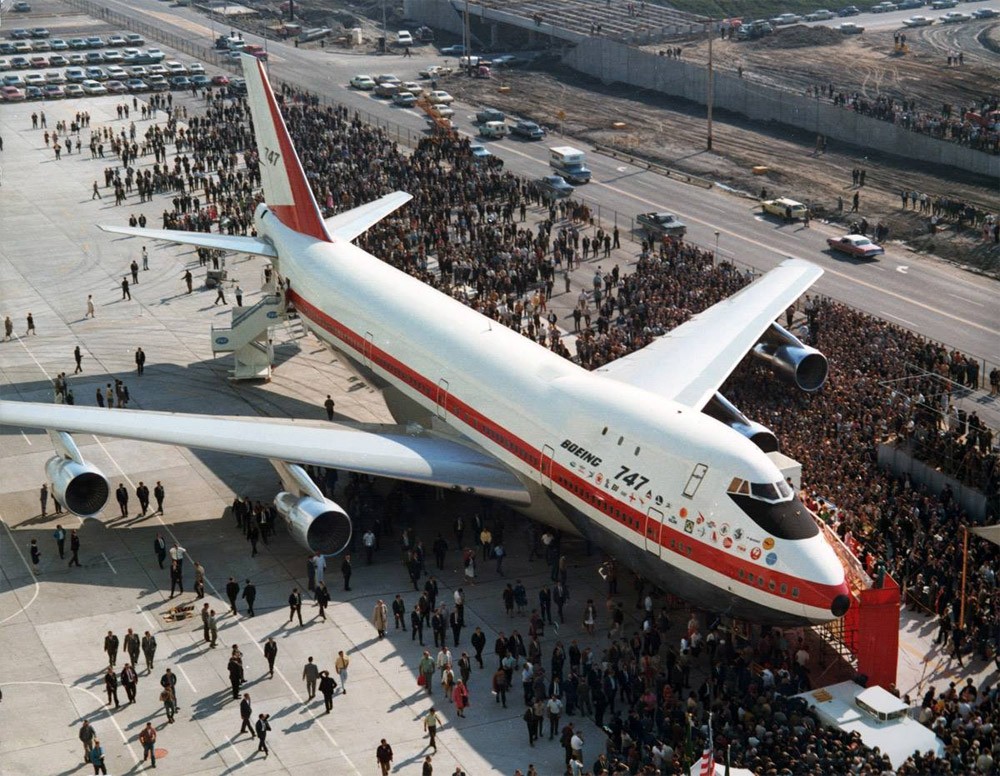
What is the Boeing 747 and Why is it Famous?
The Boeing 747 became the first wide-body aircraft in history: it featured twin aisles in the cabin, up to ten seats abreast, and a capacity double that of anything flying before it. It is instantly recognizable by its upper deck — the iconic "hump" that originated from the need for an upward-swinging nose door on cargo versions, becoming the signature trait of the entire family.
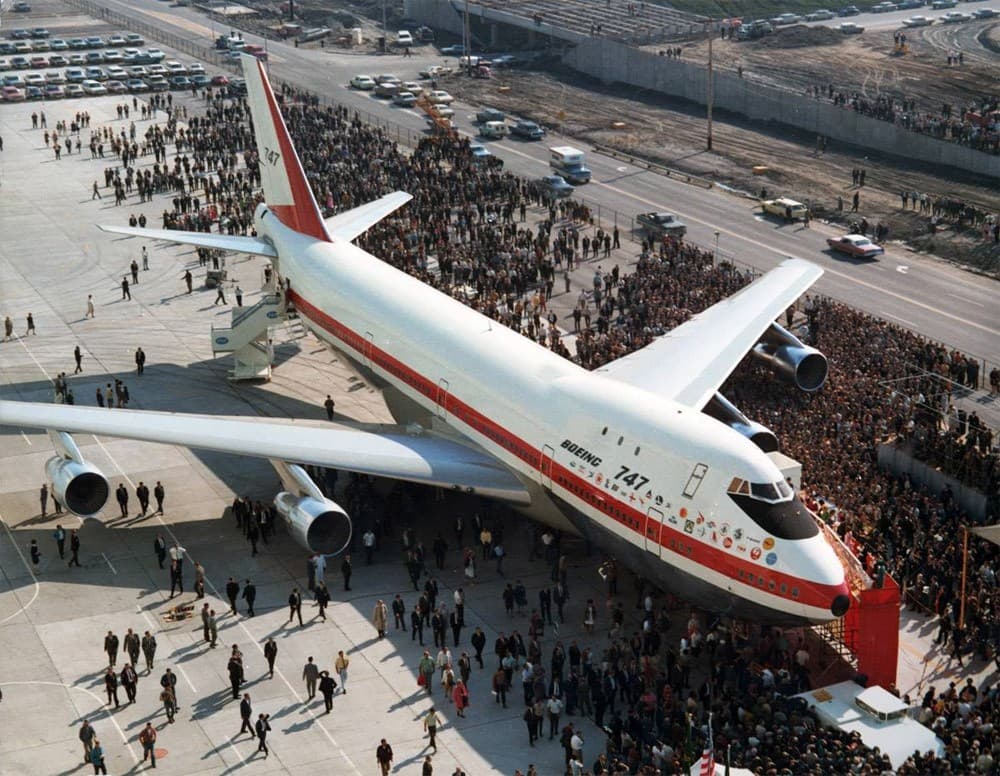
The aircraft was designed at Boeing in the late 1960s under the leadership of Joe Sutter, and its development nearly bankrupted the company — the project was simply too massive for its time. We covered the detailed story of how the 747 was created and why it almost buried Boeing in a separate article on the history of the first wide-body airliner. Here, we will break down the 747 as a model: its specifications, all its modifications, and its role today.

Boeing 747 Specifications
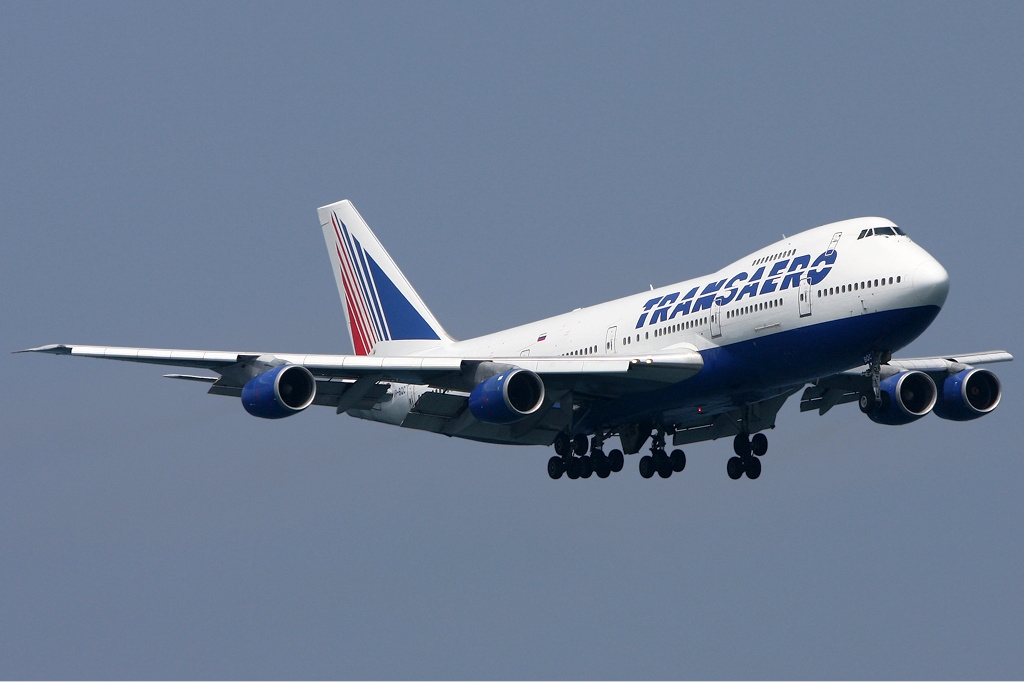
Specific figures depend on the modification, but the most widely produced variant, the 747-400, gives an idea of the aircraft's scale. It has a length of about 70.7 meters, a wingspan of 64.4 meters, and is powered by four turbofan engines. Capacity in a typical three-class layout is around 416 passengers, and in a high-density single-class configuration, it can exceed 600. The range of the 747-400 reaches approximately 13,450 kilometers, allowing it to connect continents non-stop.
The key design feature of the 747 is its four engines. When the aircraft was created, long transoceanic routes required four engines due to reliability regulations: twin-engine planes were not allowed to fly across the ocean at the time. Over time, this very feature led to the decline of the 747 — modern twin-engine airliners like the Boeing 777 and 787 carry the same or almost the same payload while burning significantly less fuel.

Boeing 747 Modifications
Over half a century, the 747 has gone through several generations, from the early Classic models to the final 747-8. Each successive generation became longer, had a greater range, and was more fuel-efficient.
- 747-100 — the original 1970 version that kicked off the era of wide-body airliners. It featured a short upper deck with just a few windows and a capacity of about 366 passengers.
- 747-200 — a more powerful version with increased range and takeoff weight. It became the primary workhorse of the 1970s and 1980s and was produced in passenger, cargo, and combi variants.
- 747-300 — a version with an extended upper deck, which increased capacity. The first three versions — the 747-100, -200, and -300 — are collectively known as the Classic generation.
- 747-400 — the most produced and successful modification, manufactured starting in 1989. It received winglets on the wingtips, a two-crew "glass cockpit" replacing the three-person crew, and an increased range. A total of 694 aircraft were built — more than any other version.
- 747-8 — the final generation, introduced in the 2010s. The fuselage was stretched, and it was fitted with new engines and wings derived from the Dreamliner. The passenger 747-8 Intercontinental seats about 467 people in three classes. It is the longest passenger aircraft in the world, measuring 76.3 meters.
- 747-400F and 747-8F — dedicated cargo versions. They ultimately defined the later fate of the program: toward the end of its life, the majority of 747s produced were freighters.
There was also a special shortened version, the 747SP, designed for ultra-long-haul flights, as well as specialized aircraft — ranging from the U.S. presidential transport to the Space Shuttle Carrier Aircraft and the SOFIA flying observatory.

The 747's Second Life in Cargo
While passenger versions were being pushed out by efficient twin-engine airliners, the cargo 747 experienced a renaissance. The design was originally conceived with freight transportation in mind — hence the elevated cockpit and hump, which left the nose section free for an upward-swinging cargo door. Long loads that cannot fit into any other production airliner can be loaded straight through this nose door.
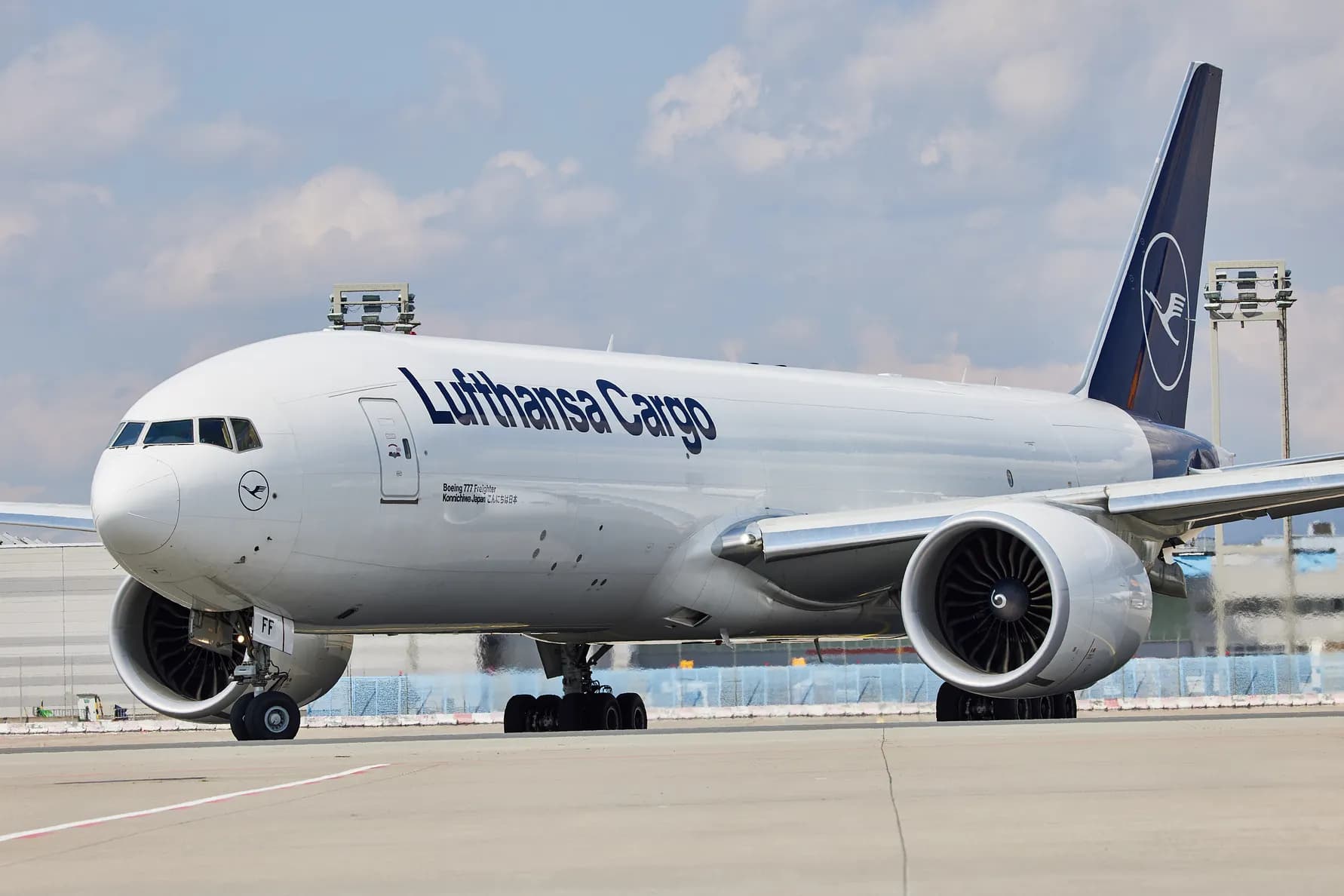
This made the 747 indispensable for transporting oversized and heavy cargo. The -400F and -8F freighter versions became the backbone of the fleets for major cargo carriers: Atlas Air, Cargolux, UPS, and Korean Air Cargo. Today, the majority of active 747s are freighters, and they will continue serving in this role for a long time, as transport aircraft operate for decades.

Operating Costs and Who Flies the 747 Today
Operating a four-engine giant is expensive: four engines mean more fuel and maintenance compared to modern twin-engine planes. It was economics, rather than technical obsolescence, that forced the 747 into retirement. We provided a detailed breakdown of the 747's operating costs in a separate article on operating expenses.
As of 2026, the passenger version of the 747 remains with only a handful of carriers. Regular passenger flights on the 747 are operated only by Lufthansa, Korean Air, Air China, and Russia's Rossiya Airlines — using the -400 or -8 models. For most airlines, the era of the passenger jumbo jet is already over: it has been replaced by the Boeing 777, 787, and Airbus A350, which carry the same number of passengers with half the number of engines.
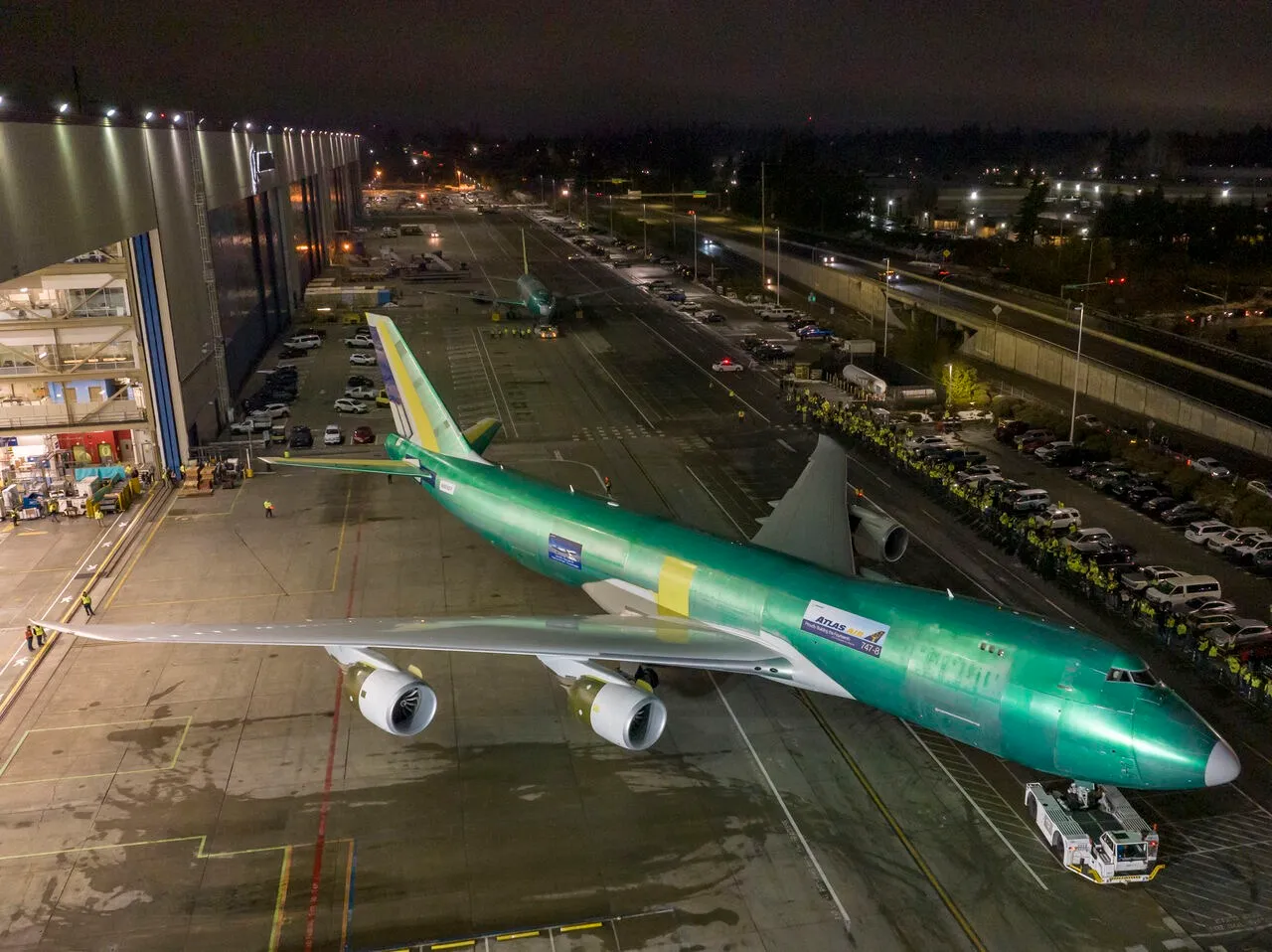
The Twilight of the "Queen of the Skies"
Production of the 747 concluded in 2023. The final unit — a 747-8F freighter — rolled off the assembly line in Everett on December 7, 2022, and was delivered to Atlas Air in January 2023, marking the end of a 54-year production run. A total of roughly 1,574 aircraft were built.
The final generation, the 747-8, did not replicate the commercial success of its predecessors: only 155 units were built, of which just 48 were passenger versions — airlines had already shifted their focus to twin-engine aircraft. Nevertheless, the 747 will not disappear from the skies anytime soon. The cargo versions will continue to fly for decades, and the passenger 747-8i found an unexpected lease on life: the U.S. Air Force selected it as the platform for the future presidential Air Force One aircraft.
Over half a century, the 747 has transported billions of passengers and changed aviation forever, making long-haul flights accessible to the masses. It has yielded the skies to more economical planes, but as a freighter and a symbol of an entire era, the "Queen of the Skies" will remain in service for many years to come.
✈️ Самолёты из этой статьи

Спросить у Altair: